In this guide
Why you can feel worse after a massage
It's the same reason you feel sore after a hard workout. Pressure and movement work the muscle, and your body can respond with inflammation, which is what you feel as soreness. Clinical styles of massage that work on a knot can release the tightness and leave a mild soreness from the pressure in its place.
Water matters too: if you're under-hydrated, the soreness can be worse. Deep tissue massage focuses on specific muscle groups, so it tends to leave you sorer than a gentle one. And some people are simply more sensitive and feel sore even after light pressure.
Soreness after a Thai massage
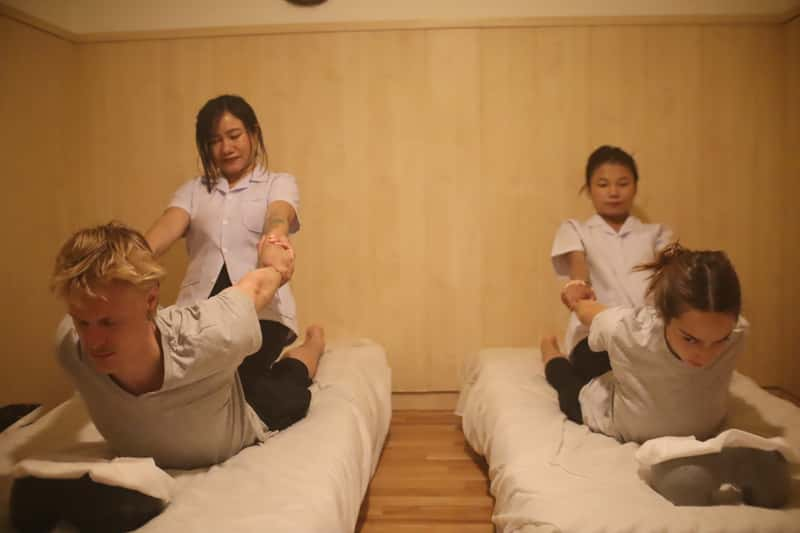
Thai massage uses pressure from the therapist's hands, elbows, forearms and feet, plus passive stretches and yoga-like positions. Feeling it in your muscles the next day is no different from any other massage with pressure. Pain in a joint or an old injury is a different thing, so read the section on when to see a doctor.
How long it lasts
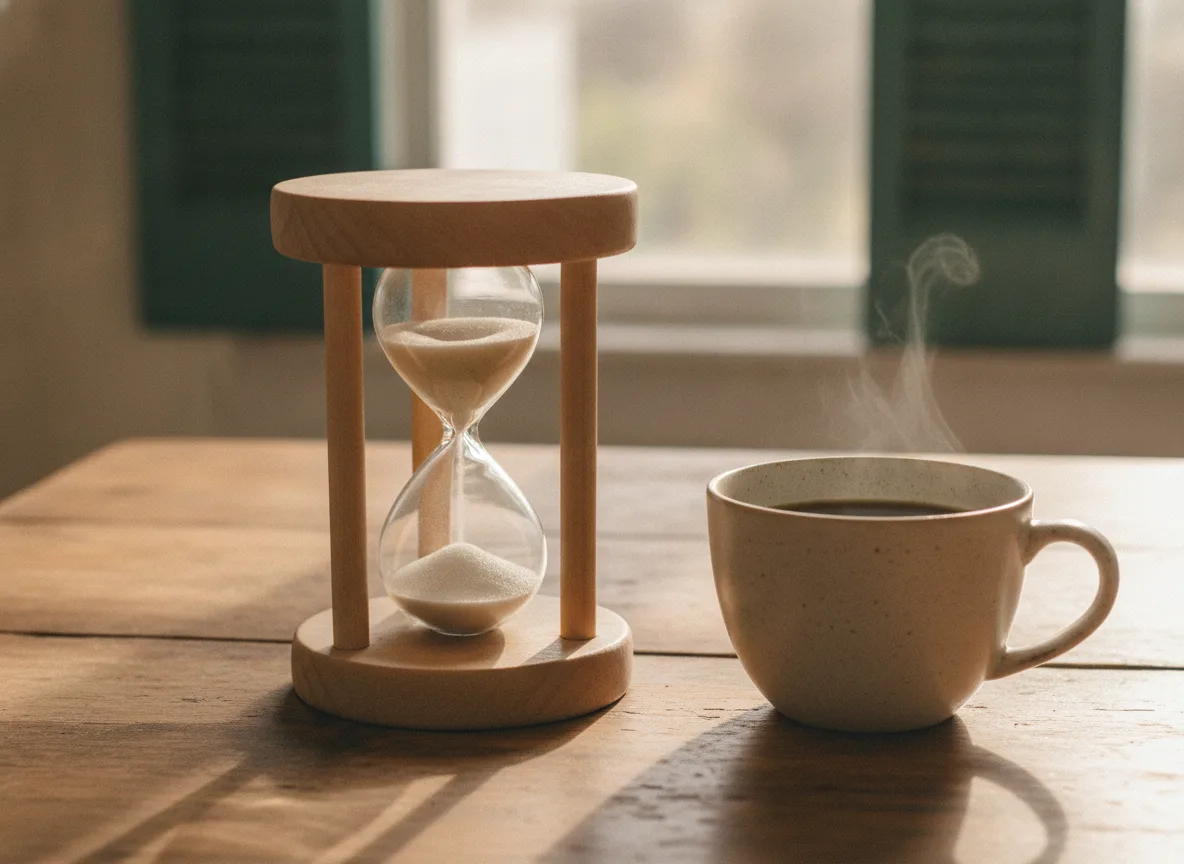
Usually a few hours to about a day and a half. If it's just as bad on day three, that's no longer the usual pattern.
What helps
- Drink water, before and after the massage.
- Stretch gently. Light stretching eases tension and soreness.
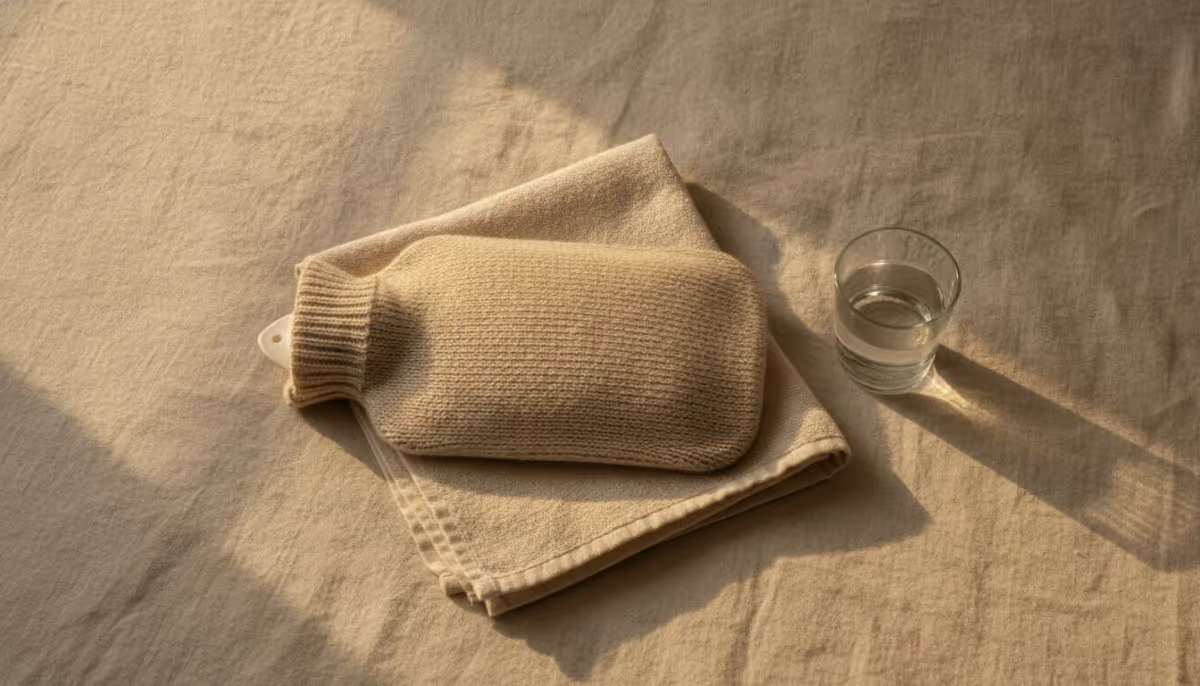
- Have a warm bath or shower. Heat relaxes tight muscles and eases stiffness.
- If the area feels inflamed, use something cold: it reduces inflammation and numbs the area.
- Rest the sore area before going back to whatever made it sore.
- Keep moving a little. Light activity stops you stiffening up.
- If you want to take a painkiller, check with a healthcare professional first.
When the massage ends, stay lying down for a few minutes before you get up, especially if you feel light-headed.
When it isn't normal: see a doctor
See a doctor if:
- The soreness is intense or lasts longer than a couple of days.
- You have an old injury, a fracture or an underlying condition and the massage has made it worse.
Serious side effects after massage are rare, but they have been reported, including blood clots, nerve injury and broken bones. People at higher risk of injury, such as older people, are more likely to be affected. If you are prone to bleeding, massage can leave bruises.
How to avoid it next time
Talk to your therapist. When you book, say what pressure you like and mention any sore spots. During the massage, if something stops feeling helpful and just hurts, say so. The therapist can change the technique, but they can't feel how much it hurts you. You can ask for changes or stop the session at any time.
Drink plenty of water in the days before, not just on the day.
Going for your first Thai massage? Read what to expect the first time.