If your “menu” right now is a few Instagram highlight covers or a laminated price sheet from three years ago, you’re making clients work harder than they should to book you. Most people deciding between your shop and the one down the street aren’t comparing brand stories — they’re scanning names, times, and prices, and picking whichever is clearest fastest.
Here’s how to write service descriptions and prices that actually convert a browsing visitor into a booking.
1. Name services the way clients search and think
Creative names feel special to write, but they’re often the first thing that loses a client. Someone searching “60 minute massage” or scrolling a booking page doesn’t know what a “Signature Journey” or “Radiance Ritual” includes, and won’t stop to find out.
Weak: Signature Journey Better: 60-Minute Thai Massage
Weak: Golden Glow Ritual Better: Gel Manicure (45 min)
If you love a branded name, keep it — just put the plain, searchable name first or right alongside it: “60-Minute Thai Massage (our ‘Signature Journey’).” That way you keep your voice without losing clarity.
2. Always show duration and price
This sounds obvious, but it’s the single most common gap on small-shop menus. A missing price doesn’t read as “premium and exclusive” to most people — it reads as “probably expensive, and I don’t want to ask.” A missing duration means a client can’t tell if a service fits their lunch break.
Weak: Deep Tissue Massage — inquire for pricing Better: Deep Tissue Massage — 60 min — €55
If your price genuinely varies (by therapist seniority, or because a treatment needs a quick consult), don’t hide it — set expectations instead:
Better: Gel Extensions — from €40, final price confirmed at your appointment
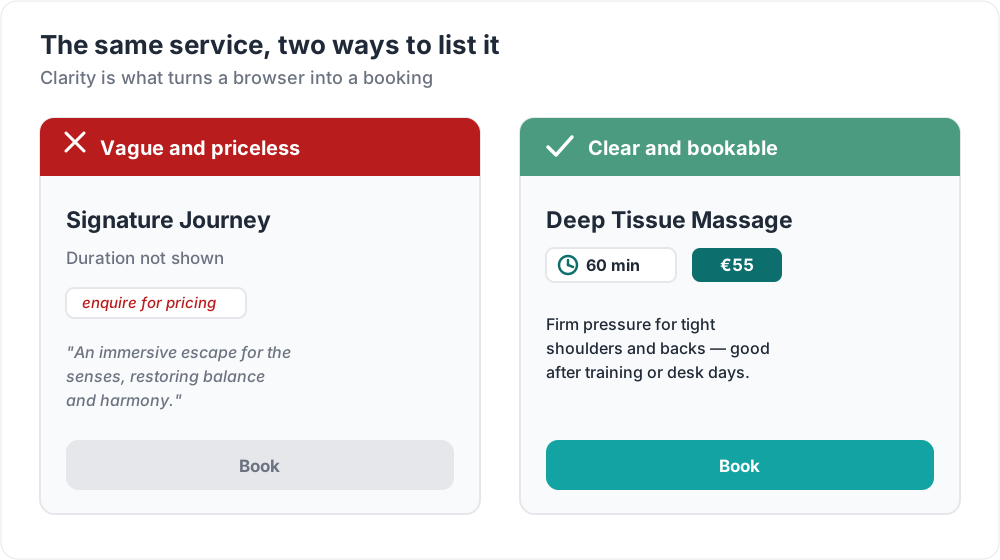 The same treatment listed two ways — the right-hand version answers what it is, how long it takes, and what it costs.
3. Write one or two plain sentences — what it is, who it’s for
You don’t need marketing copy here. You need enough information that someone unfamiliar with the treatment knows whether it’s right for them.
Weak: “An immersive escape for the senses, restoring balance and harmony.”
Better: “Firm pressure focused on muscle knots and tension — good if you’re sore from training or sitting at a desk all day.”
A useful test: could a client explain this service to a friend after reading your one or two sentences? If not, cut the mood language and add the practical detail.
4. Keep tiers simple
Offering length or intensity options is genuinely useful — but too many variations turns a five-second decision into a confusing scroll. A simple 30/60/90-minute structure for a massage, or a basic/gel/extensions ladder for nails, gives people real choice without overwhelming them.
Weak: 10 separate massage listings by pressure, region, oil type, and duration, each with its own name
Better: One “Swedish Massage” service with three duration options — 30 / 60 / 90 min — each with its own price
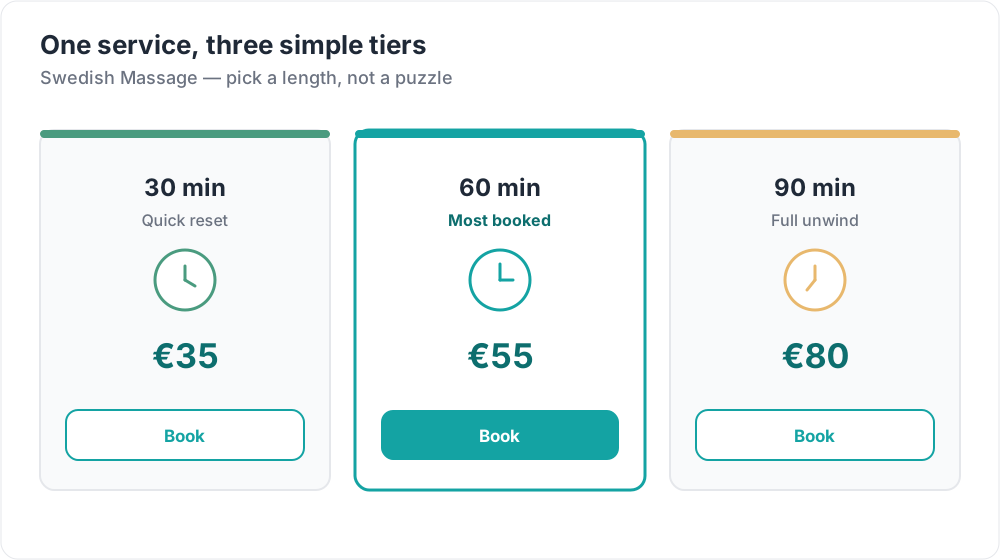 Three clear length tiers give real choice without turning a quick decision into a confusing scroll.
If you genuinely offer very different treatments (Thai massage and a facial, say), keep those as separate services — the goal is fewer near-duplicate options, not fewer services overall.
5. Offer a handful of clear add-ons, not a sprawling menu
A short, well-labelled add-on list (“+15 min hot stones — €10,” ”+ scalp massage — €8”) is easy to skim and easy to say yes to. A long list of add-ons buried in fine print gets ignored, and it makes your core menu harder to find. Pick the 3-5 add-ons clients actually ask for and leave the rest as something you offer verbally, in person, if it comes up.
6. Keep the wording identical everywhere
Once you’ve settled on names, durations, and prices, use the exact same wording on your booking page, your Google Business Profile services section, and your Instagram bio or highlights. Inconsistent naming (“Thai Massage” in one place, “Traditional Thai Bodywork” in another) makes clients unsure they’re looking at the same shop, and it splits whatever recognition each name would otherwise build.
There’s a quieter benefit too: a real, structured booking page with clear, consistent service names — durations and prices included — is exactly the kind of page that shows up in local Google searches. A confusing menu doesn’t just cost you the client reading it directly; it’s also less useful for search than a clean one.
Put it together
Before you publish anything, run each service line through this: plain name → duration → price → one sentence on what it is and who it’s for. If a service can’t clear that bar in a few seconds, it needs editing, not more adjectives.
If you’re setting this up for the first time, WellDesk gives every shop a public booking page with services, durations, and prices laid out this way by default — it’s free to use during our public beta, no plans or charges. It won’t write your descriptions for you, but the structure is built to make clear menus the easy default rather than something you have to fight the format for.